Change-makers at Northern Arizona University
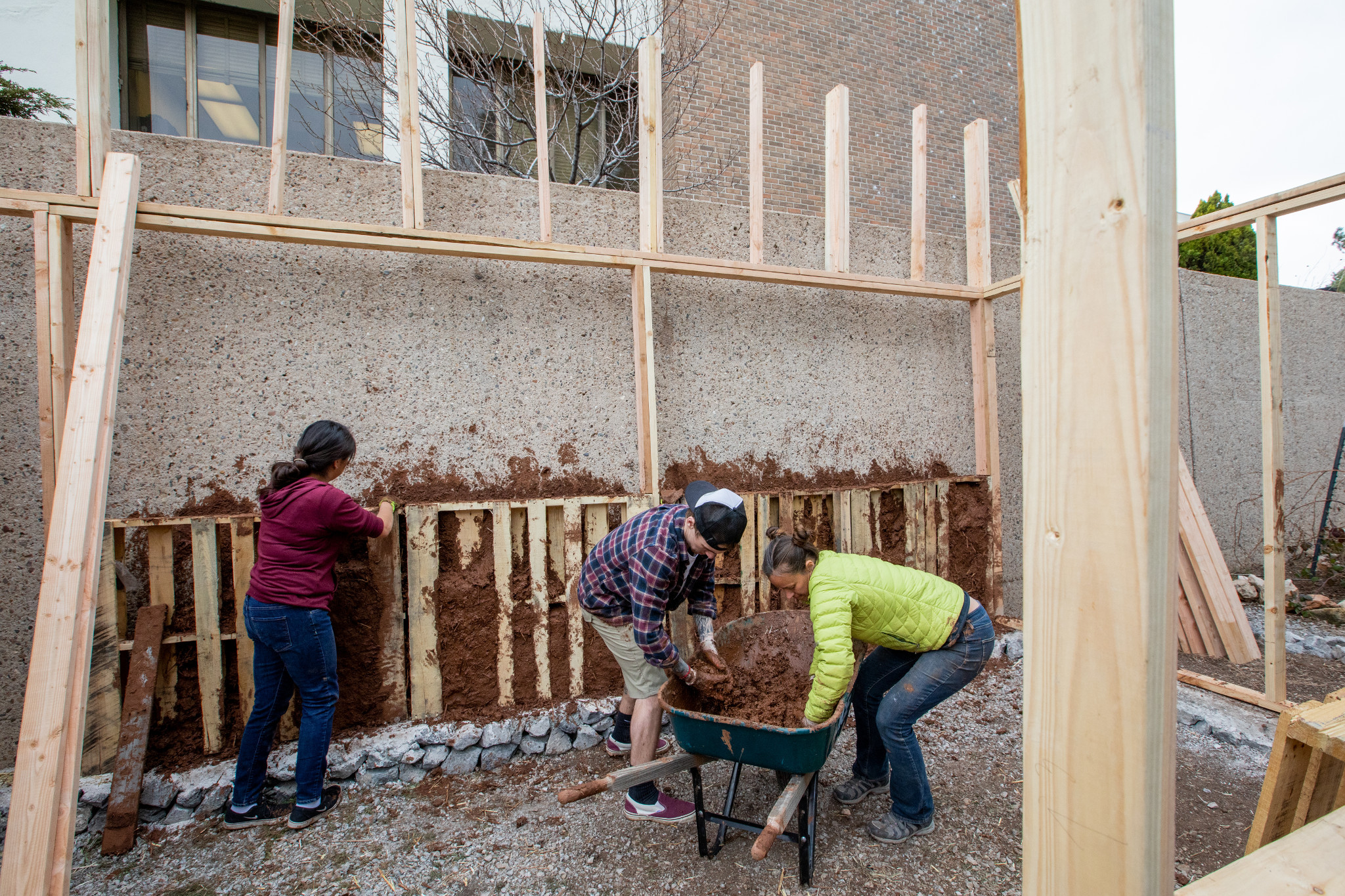
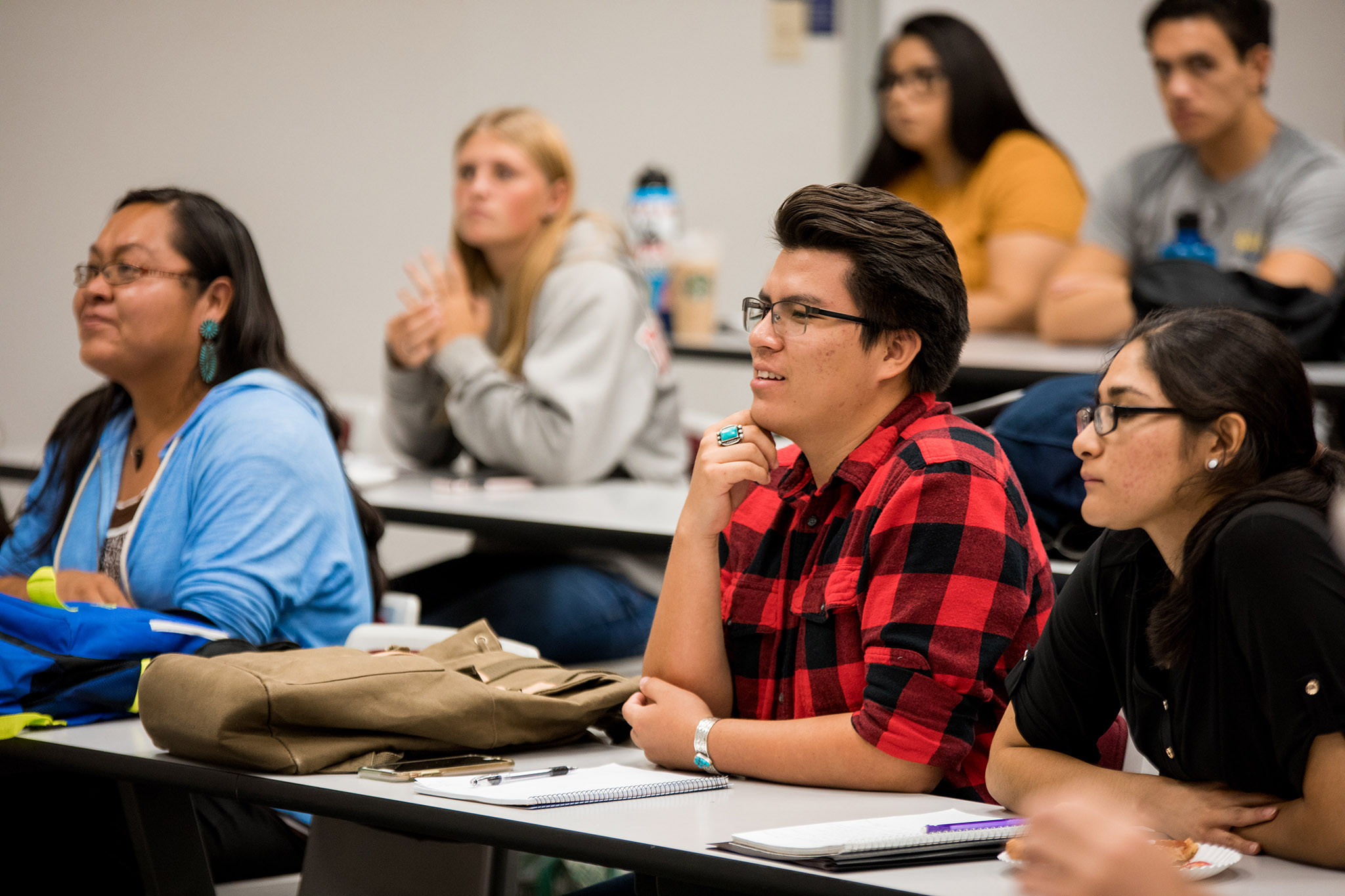
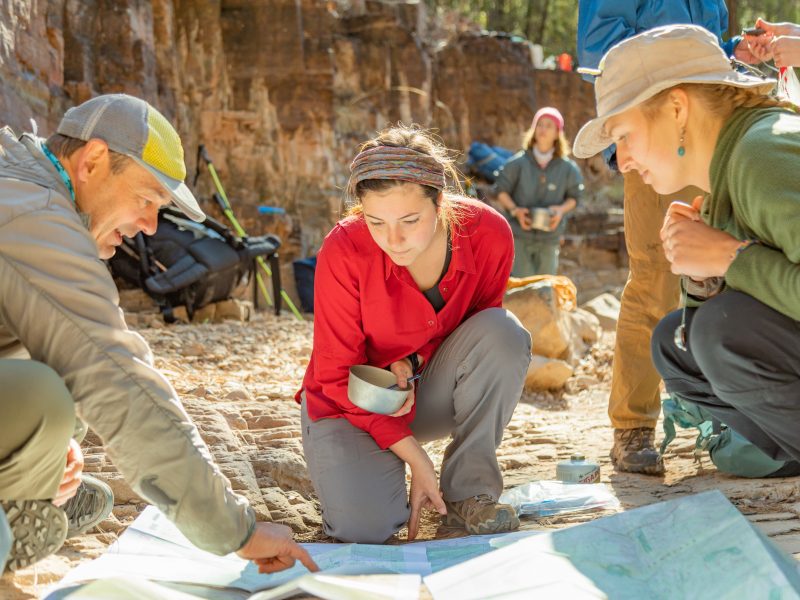
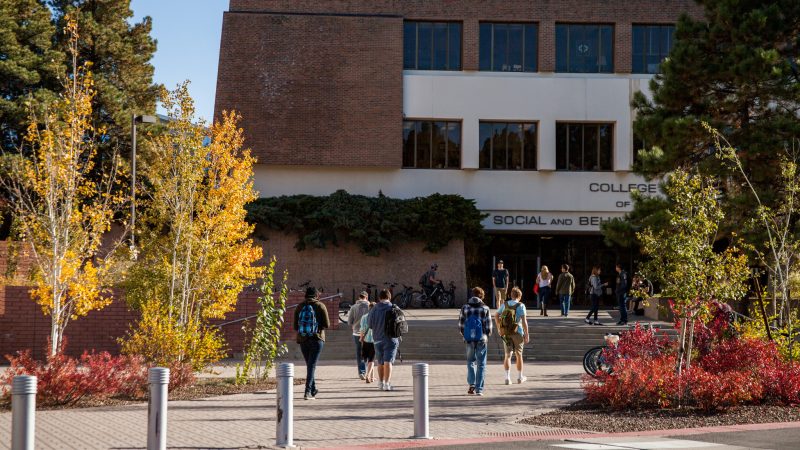
The College of Social and Behavioral Sciences (SBS) at NAU is made up of diverse academic programs, all working together to promote justice, diversity, equity and inclusion, sustainability, and human and community well-being. Our unique programs support boundary-crossing research and provide undergraduate and graduate students with innovative experiential learning opportunities.
At SBS, we offer a variety of programs that can help you become a leader in your community or profession. With our immersive curriculum, we’ll prepare you for a world and workforce where communication, diversity, and critical thinking are essential.
We are committed to:
- Promoting the appreciation and importance of diversity
- Advocating for the importance of community
- Stressing the importance of sustainability and environmental issues
- Exploring issues of justice and power
- Developing global perspectives
- Fostering active engagement, advocacy, and applied learning
These are ideals that are consistently demonstrated through the research and accomplishments of our students, faculty and alumni.




Departments, schools and programs
The College of Social and Behavioral Sciences at Northern Arizona University offers a wide range of degree and certificate programs to help you study and understand the world around you. Prepare for a career that makes a difference in the world. For more information visit our departments and programs page.

Make a difference Our institutes
The College of Social and Behavioral Sciences strives to be a link between the university and the local community. We achieve this by providing service opportunities, hosting events and workshops, and promoting research that can be applied globally. Our institutes are a big part of making this happen.